Sign up for
our newsletter
About
ANTOXANA is a project that seeks to create spaces for gathering and exchange around culture, aimed at both local residents and visitors.
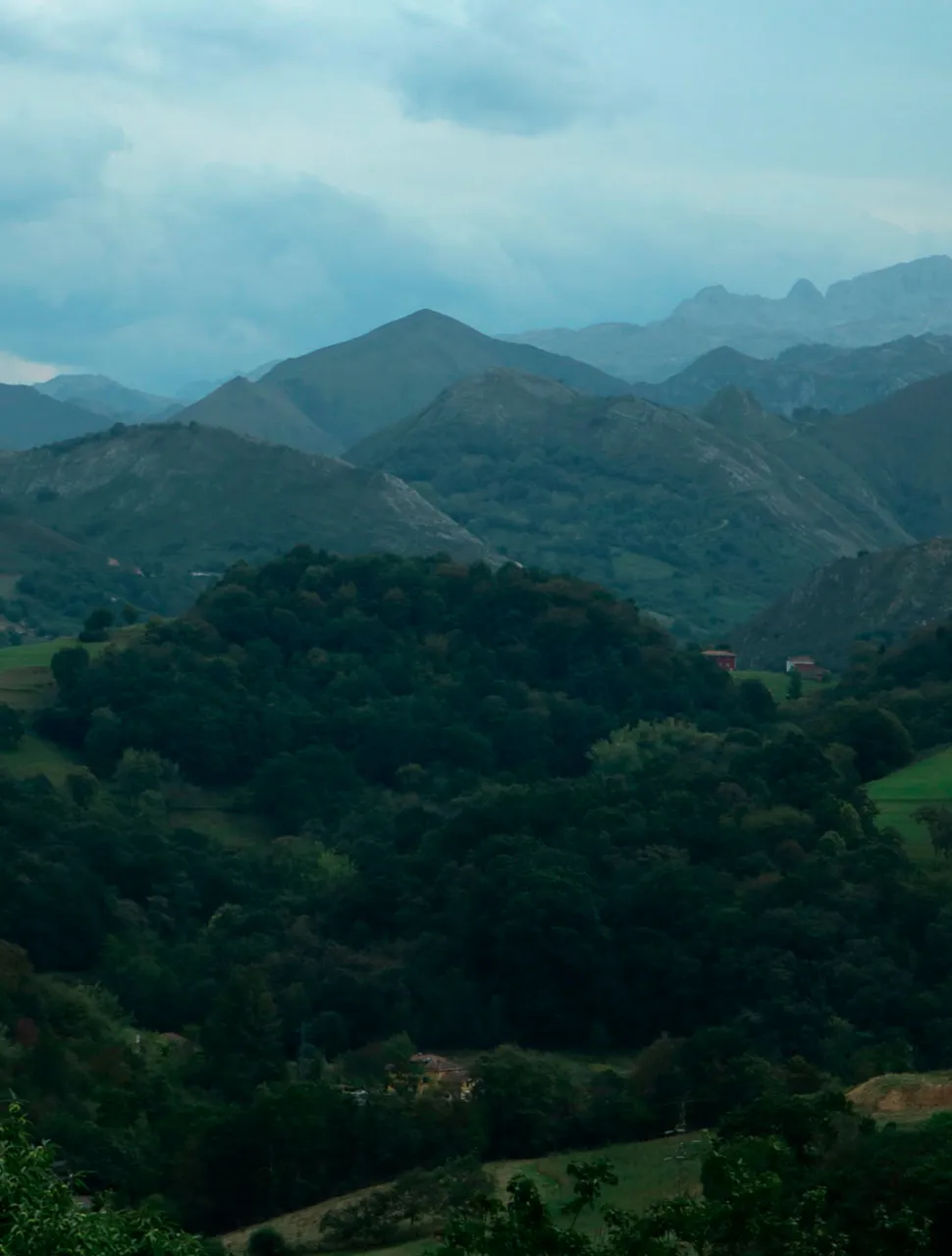
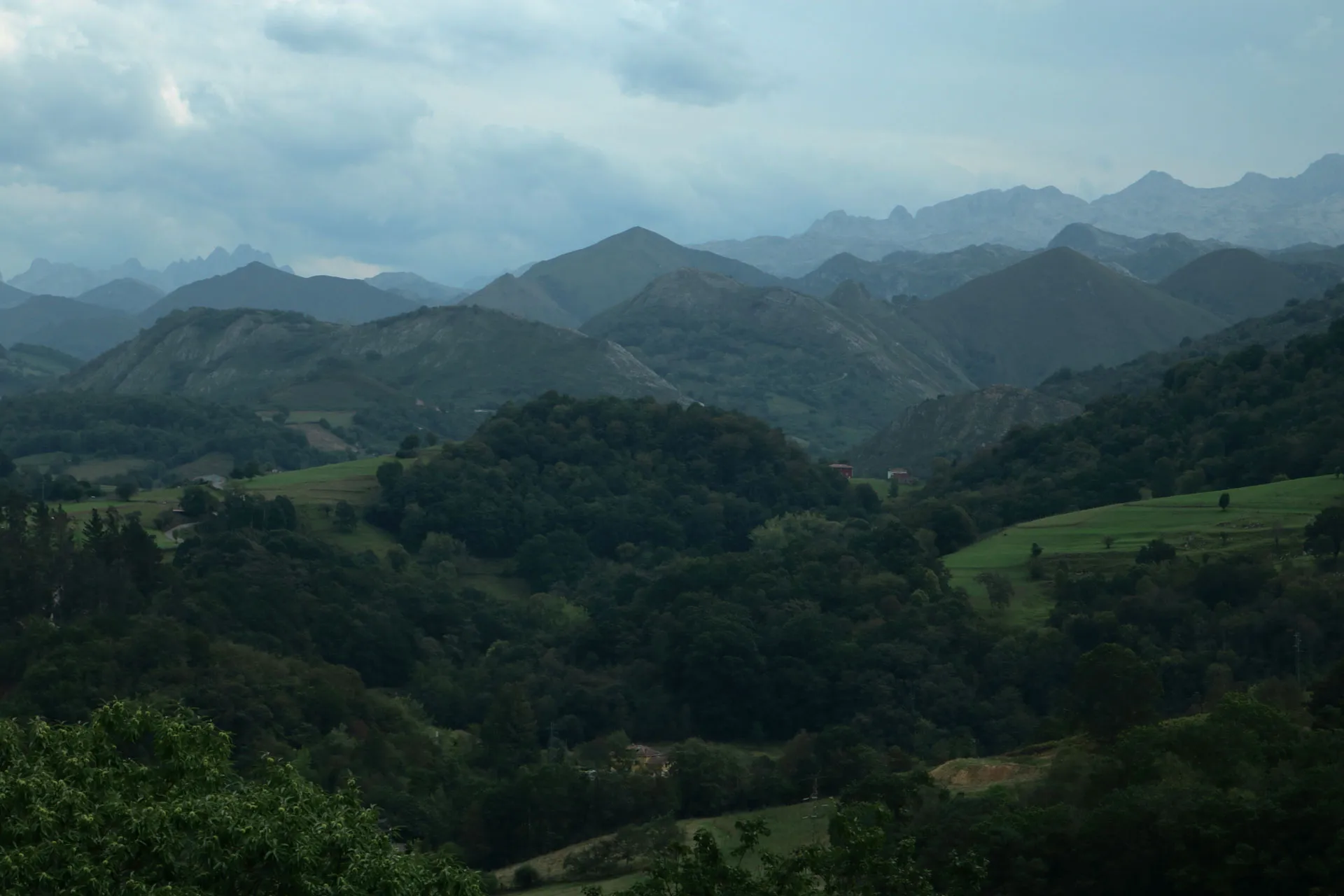
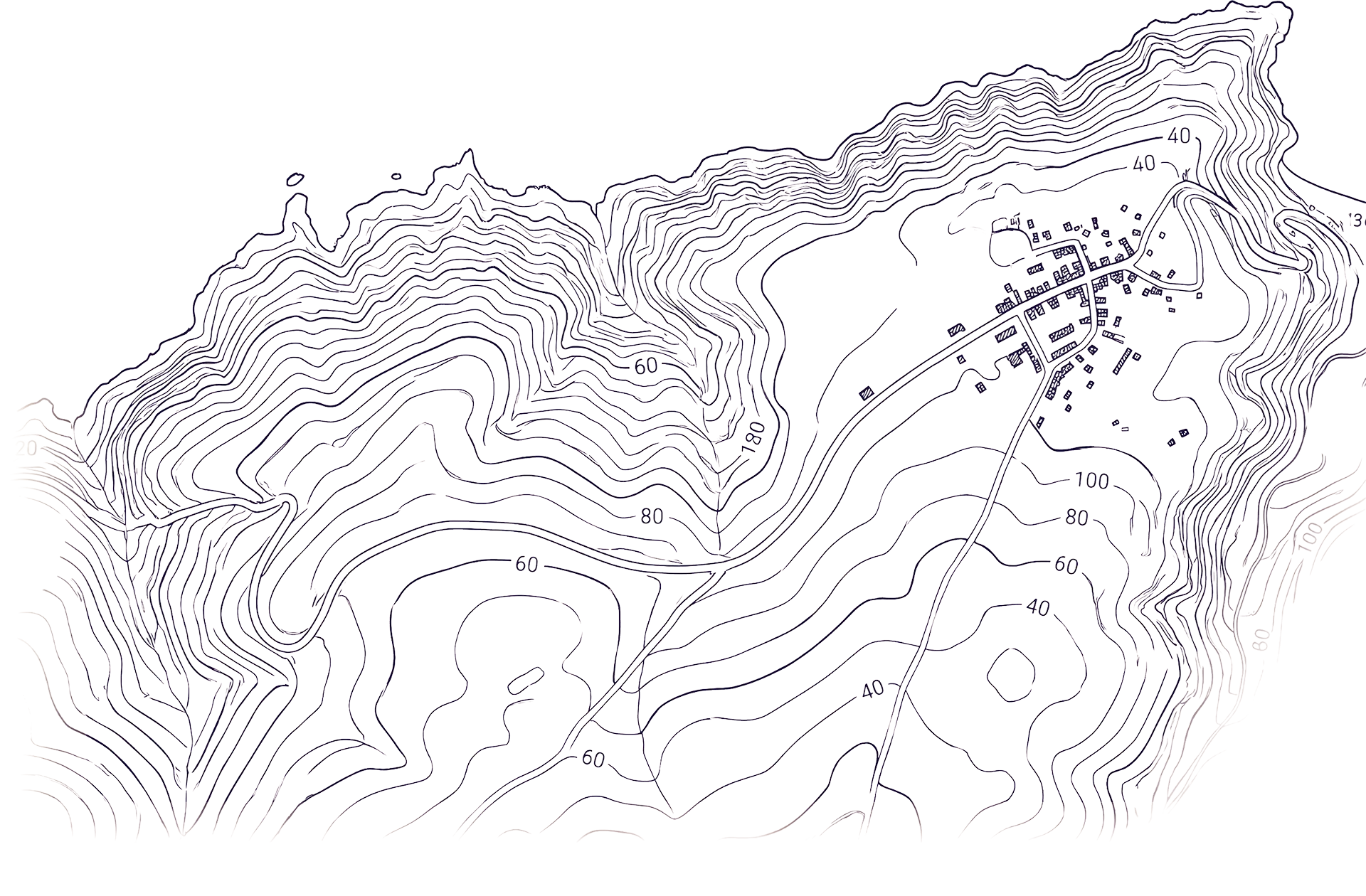
It is located in Corao Castiellu (Cangas de Onís, Asturias), a rural settlement of 21 inhabitants at the foot of the Picos de Europa.
The project begins its public activity in 2026 and is promoted by Cañada de los Bojes, Sociedad de Beneficio e Interés Común, SL.
Programme
Gorka Postigo
You'll Never Meet My New Friends
20 Jun. → 13 Sept. 2026
Wednesday to Sunday
11am - 2pm / 5pm - 8pm
Official Section
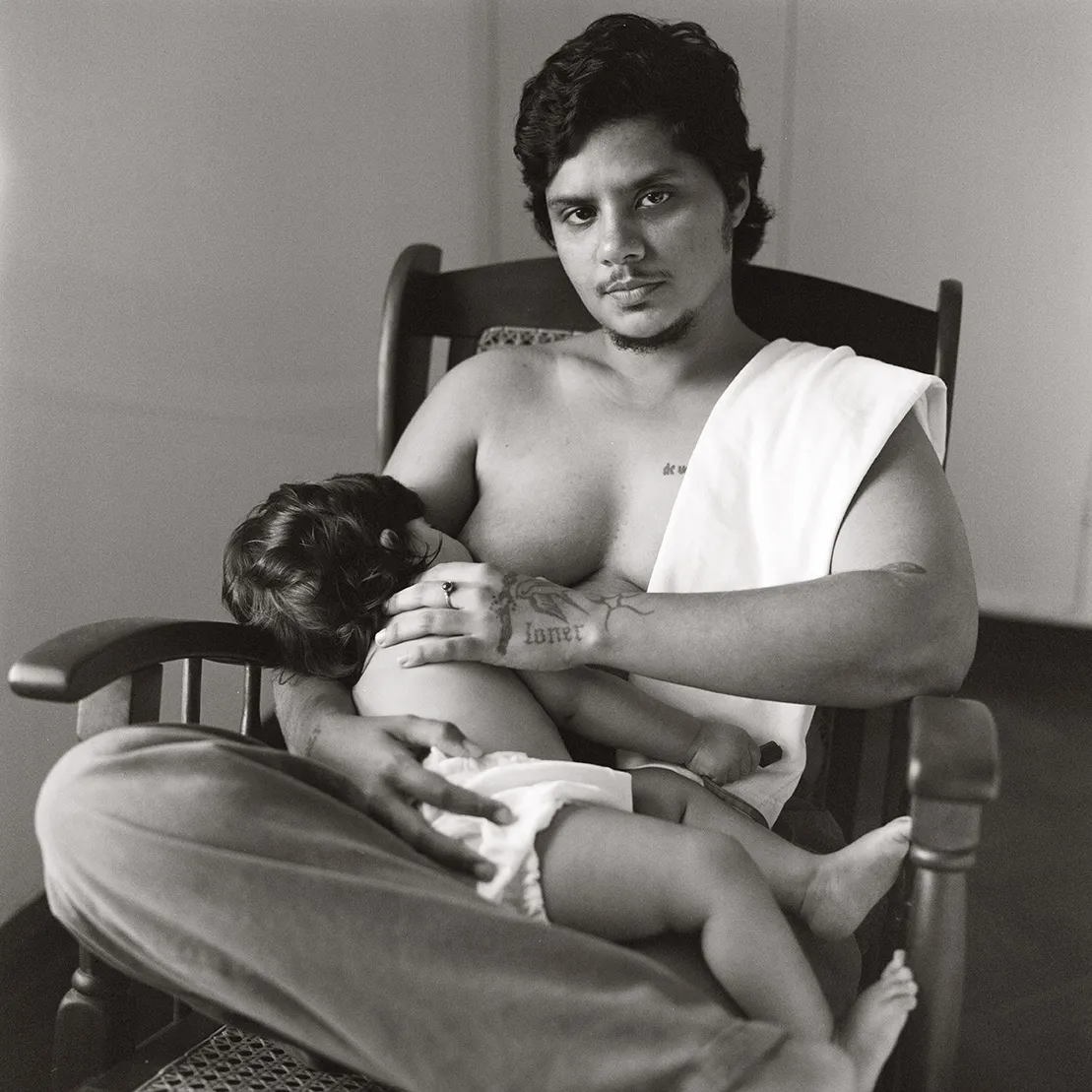
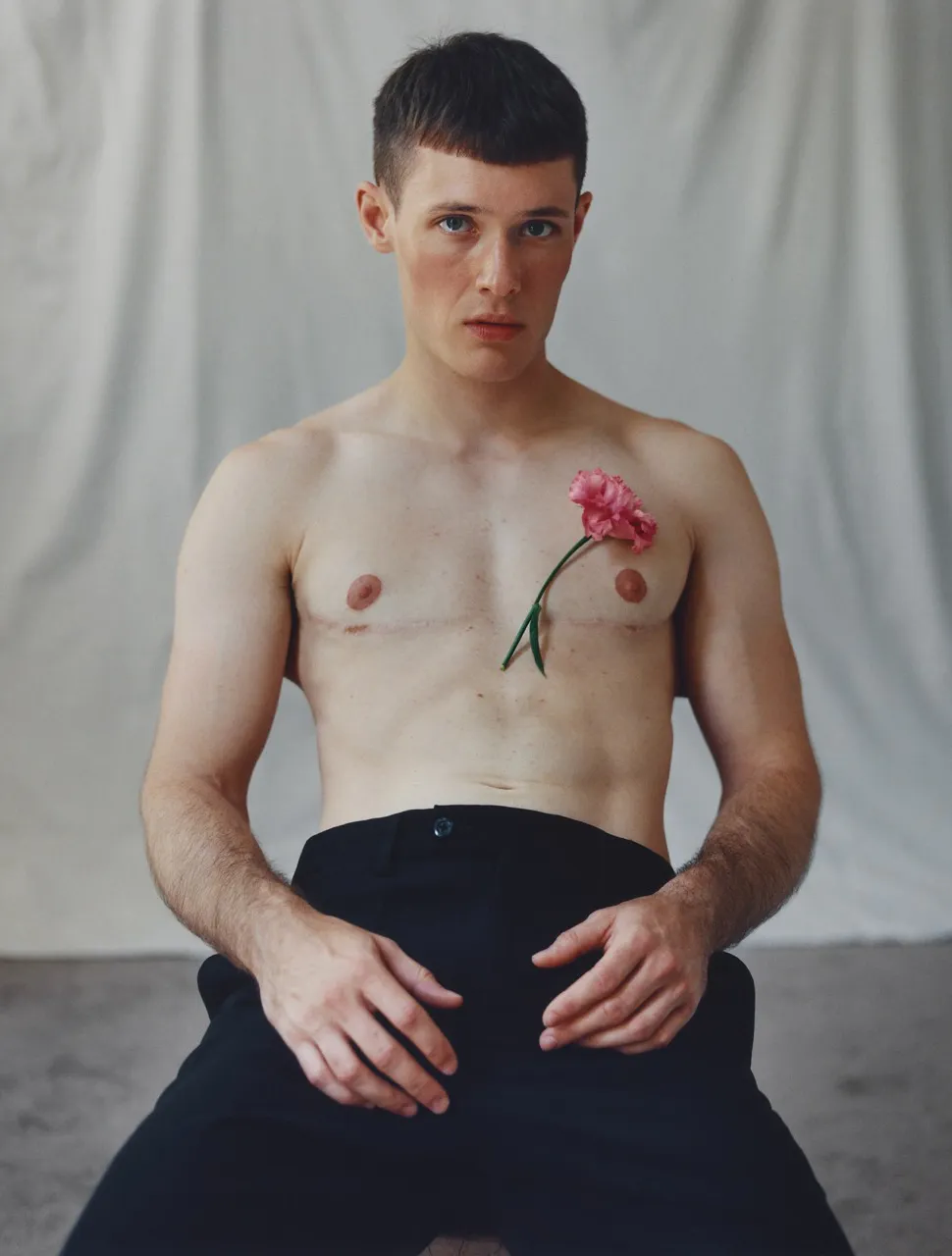
This project emerges from an intimate experience of loss and transformation, unfolding as a visual journey that connects grief, identity, and community. Through a series of portraits taken in cities such as Paris, London, Rio de Janeiro, Shanghai, Tokyo, and Abidjan, Gorka Postigo (Madrid, 1978) constructs an emotional map in which individual stories enter into dialogue, shaped by vulnerability, resilience, and a shared desire for connection.
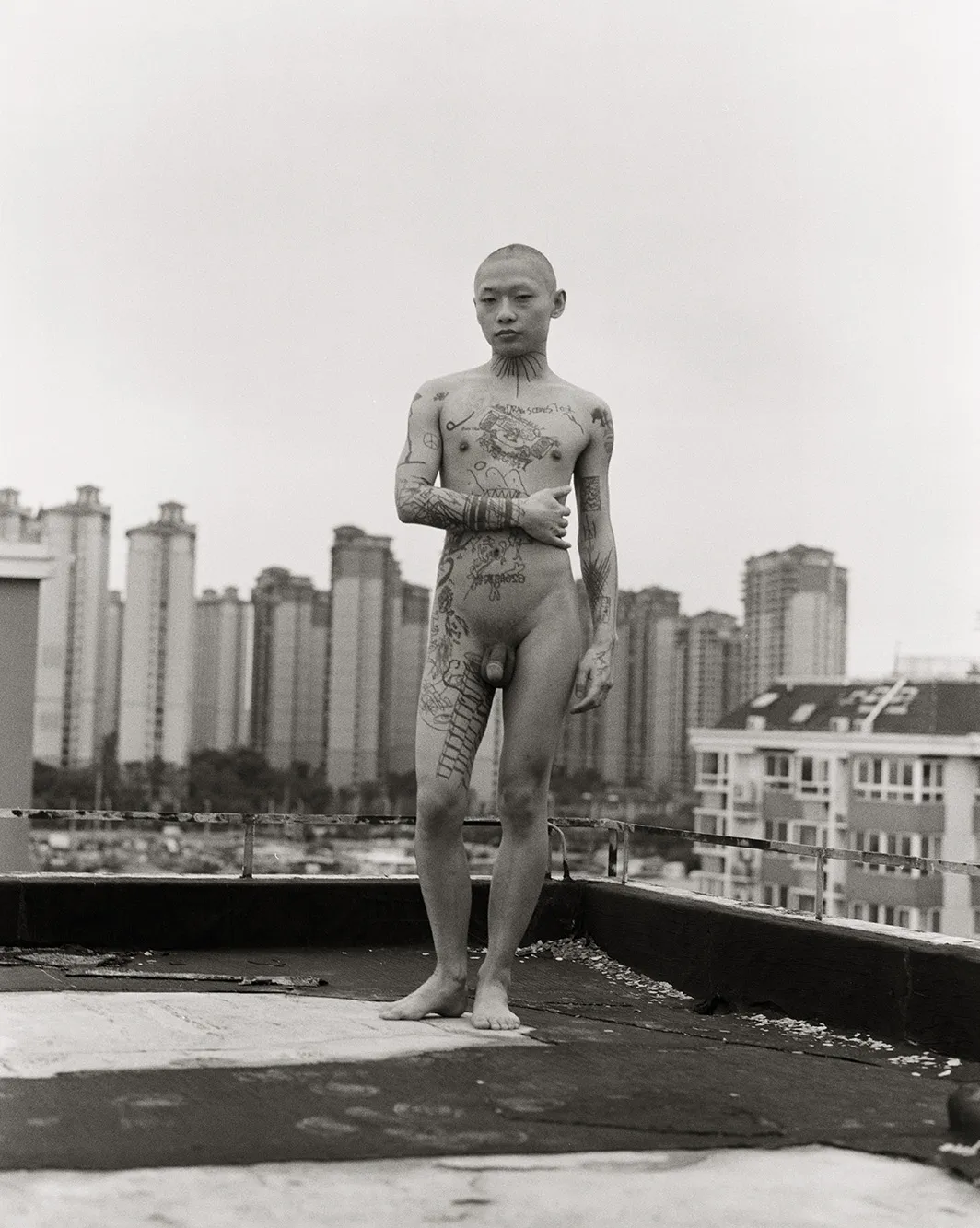
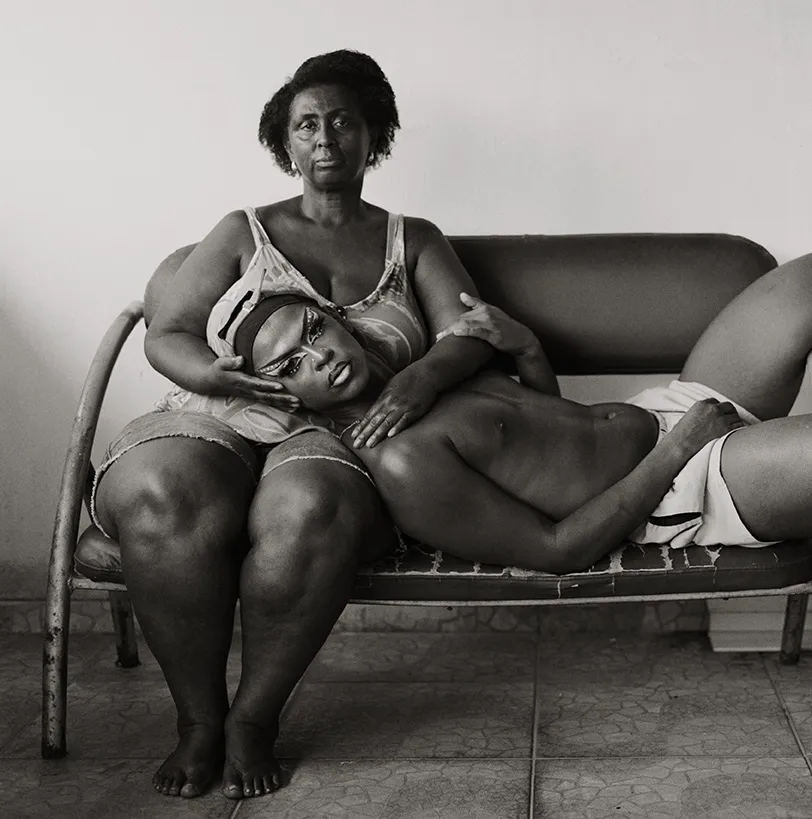
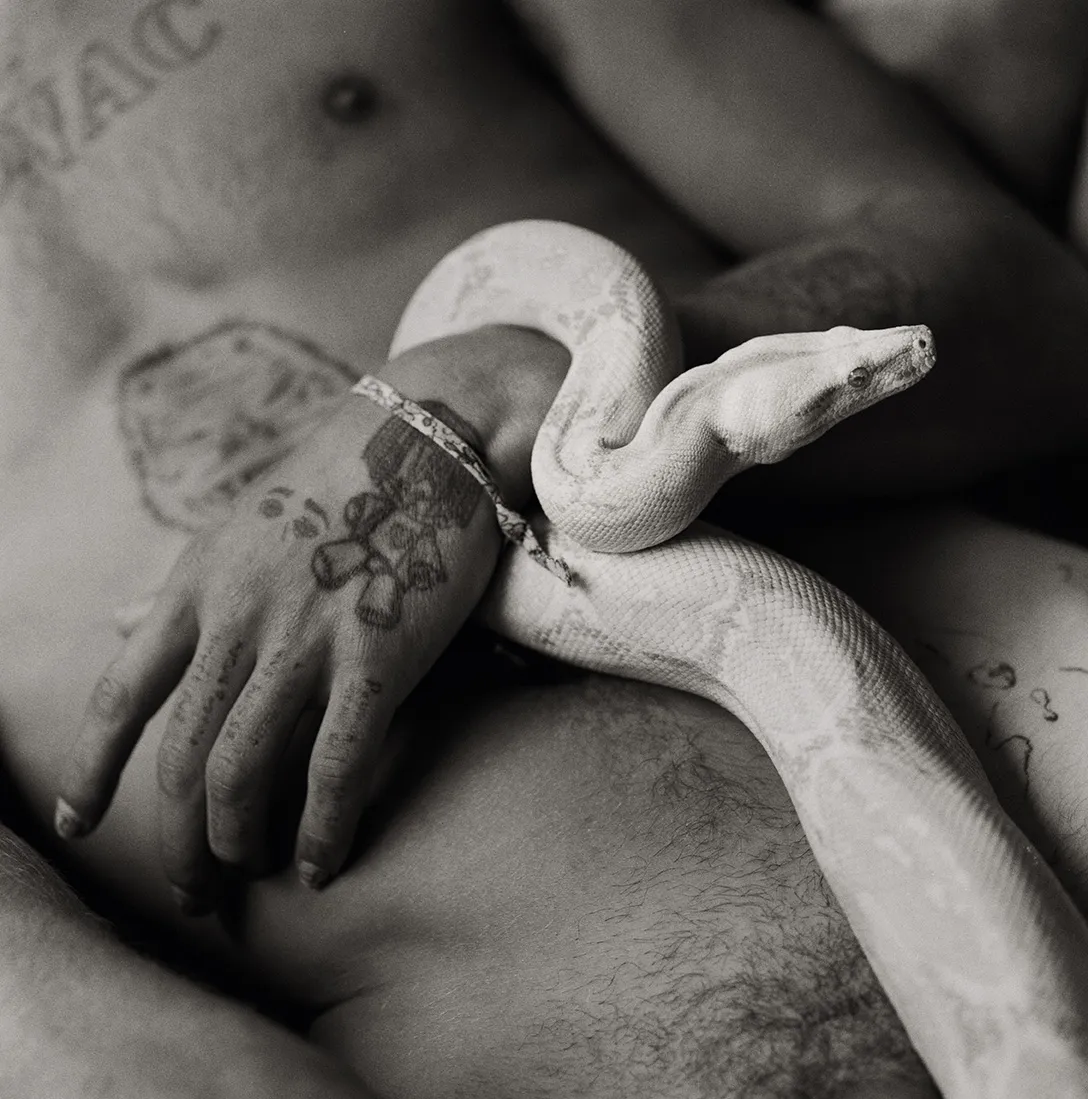
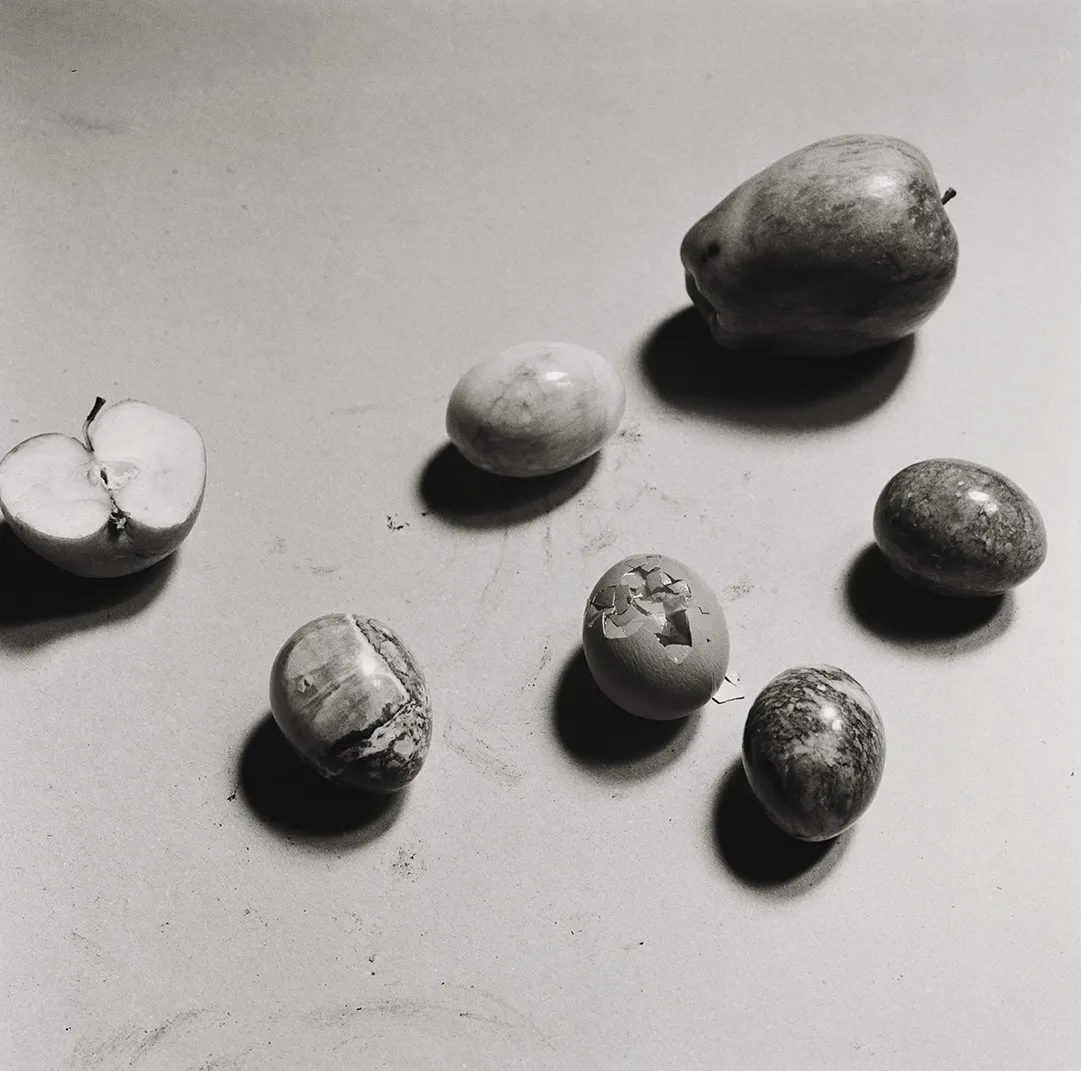
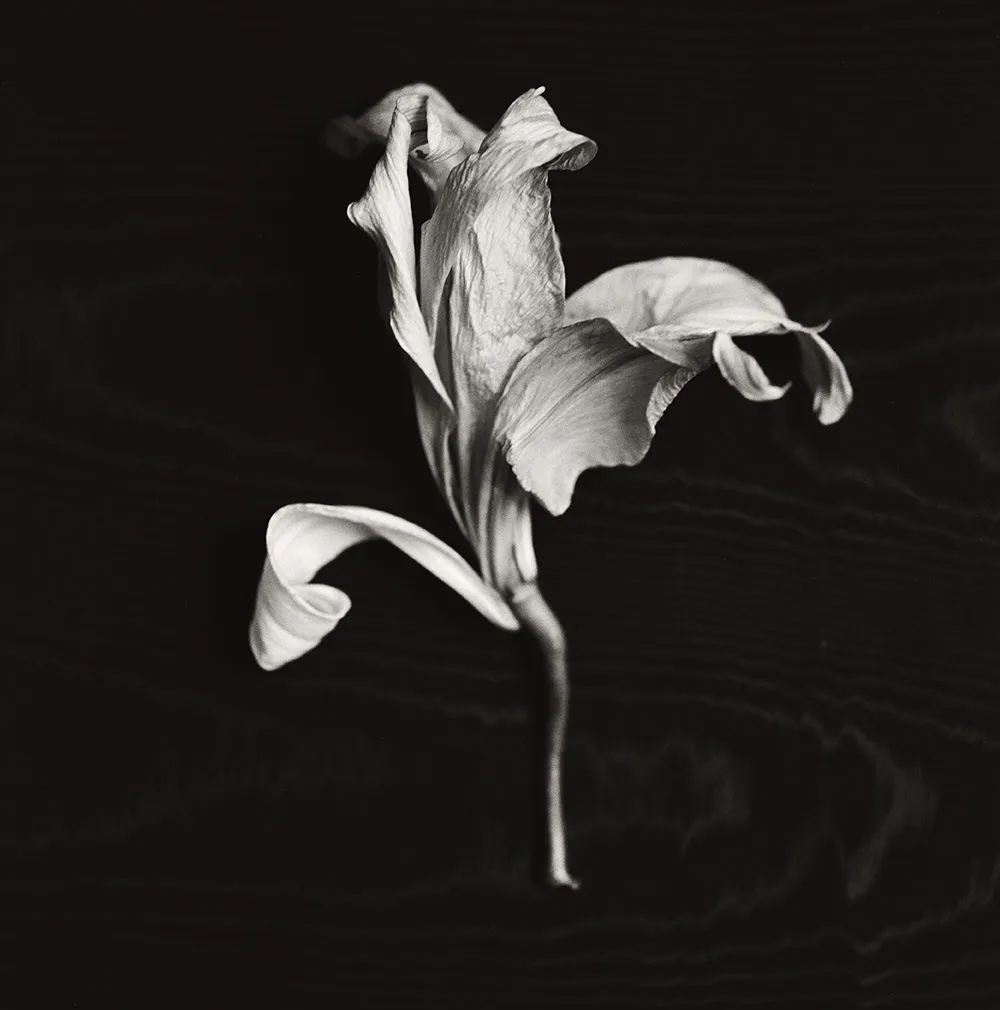
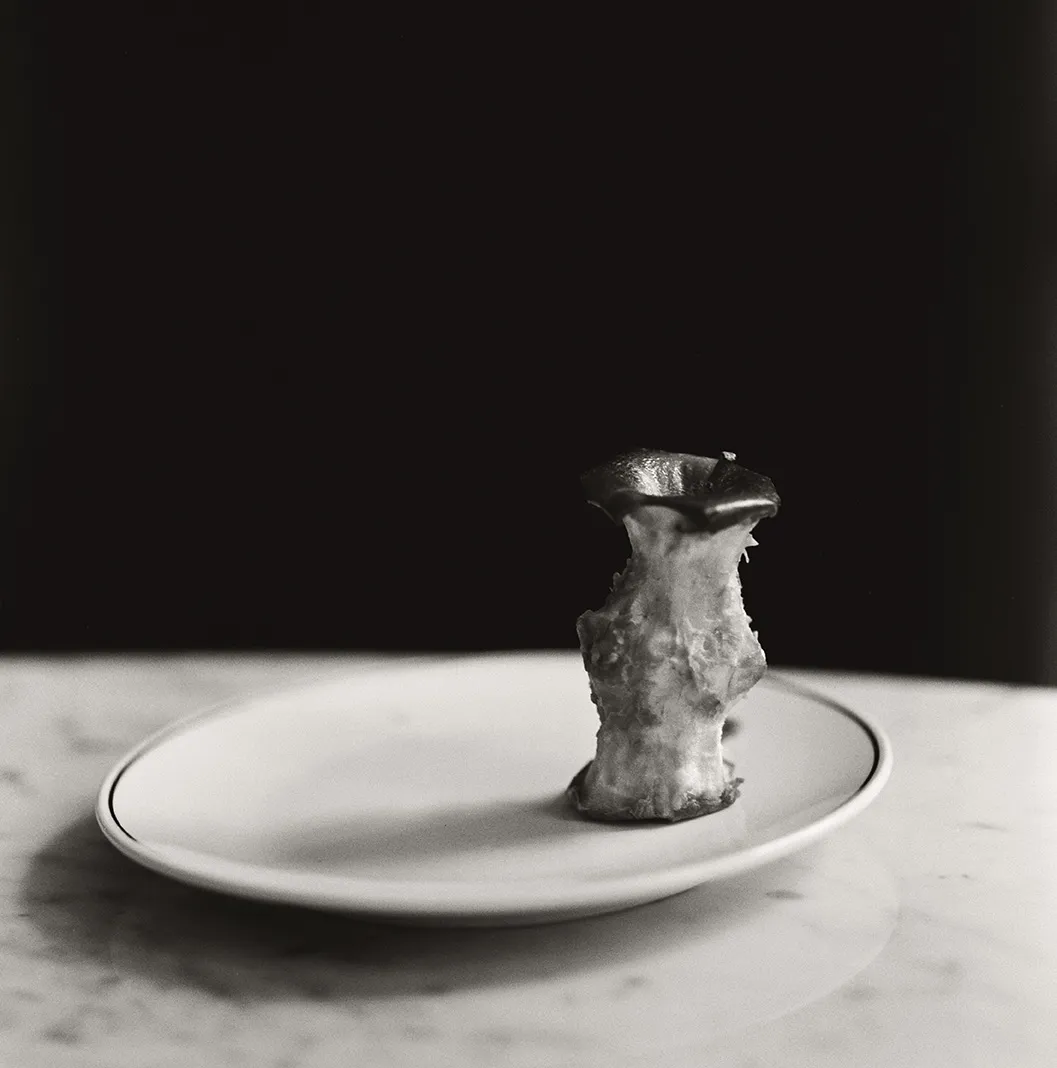
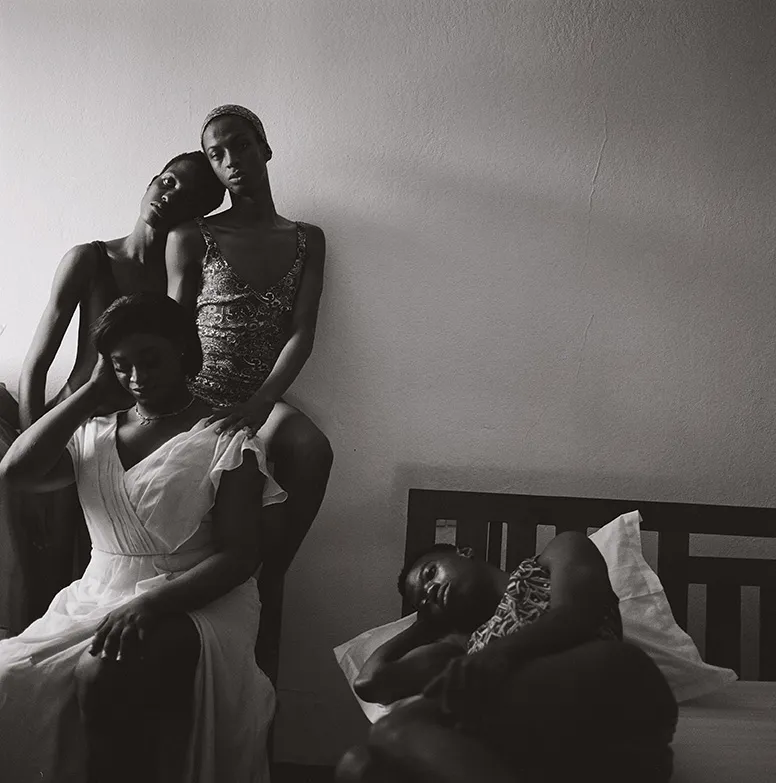
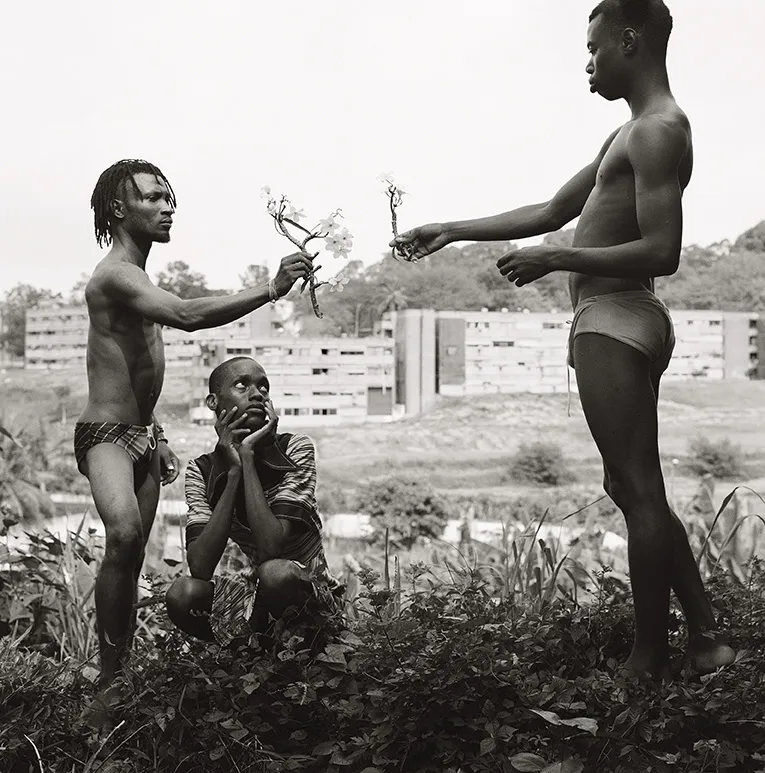
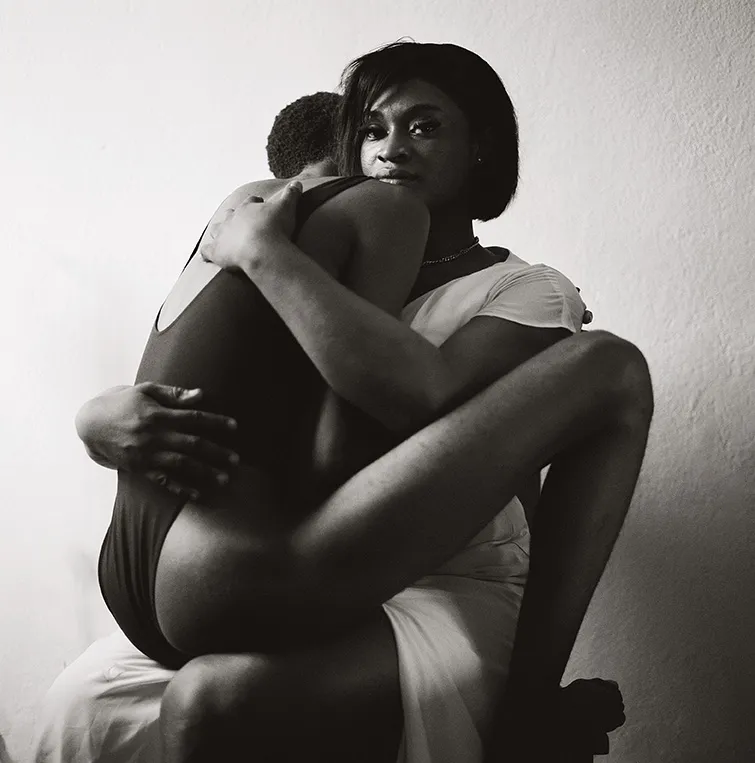
Moving away from a traditional documentary approach, the exhibition proposes a space of encounter. The images do not seek to define identities, but rather to open a shared ground where gestures, gazes, and presences generate new forms of relation. In this sense, the project unfolds as a reflection on chosen family, queer beauty, and the possibility of self-reinvention beyond inherited models. It also offers a critical reconsideration of structures of masculinity and belonging, while affirming photography as a powerful tool for community-making.
Space
ANTOXANA takes place at Casa de Cueto, an 18th-century manor house listed as a historic-artistic building, located in Corao Castiellu, in the surroundings of the Picos de Europa.
The rehabilitation, carried out by Xaime Diz and Susana Granizo of the studio XDS arquitectos, rescues the building from its state of ruin to adapt it to its new use, thus contributing to the enhancement of the cultural heritage of Asturias.
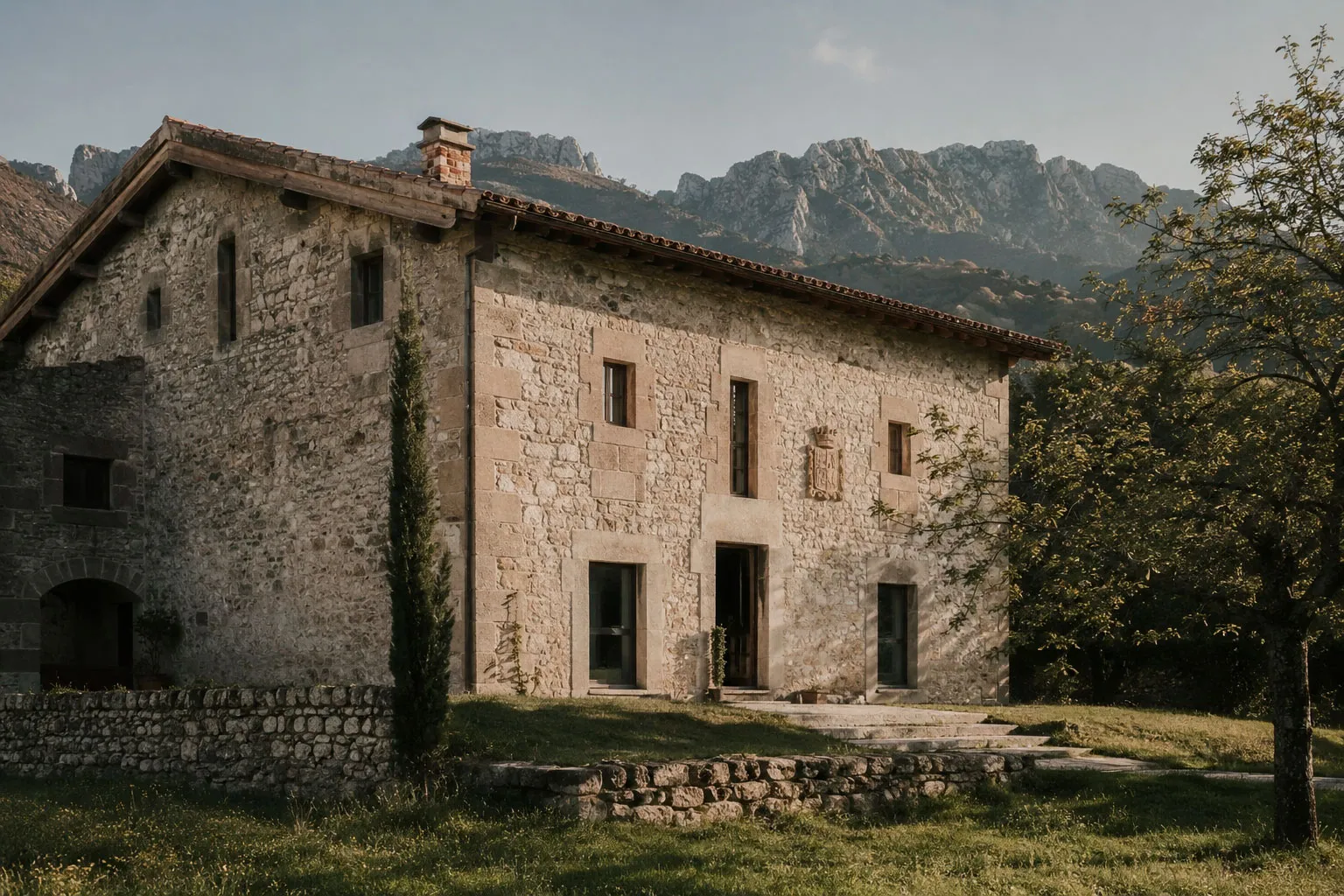
The intervention was carried out according to principles of conservation and sustainability, combining vernacular architecture techniques and restoration work with contemporary interventions. The new does not imitate the old, nor does it displace it: it accompanies it and makes it legible.
Priority was given to locally sourced materials, low-impact construction solutions and collaboration with local craftspeople and professionals. Improvements to the building envelope and high-efficiency climate control systems significantly reduce the house's energy demand and carbon footprint, turning it into a near-zero consumption space.
Project co-financed by the European Union through the European Agricultural Fund for Rural Development (EAFRD), the Ministry of Agriculture, Fisheries and Food and the Principality of Asturias, within the framework of the LEADER Measure M19.2 of the Rural Development Programme 2014-2020.
LEADER
Community-led local development